



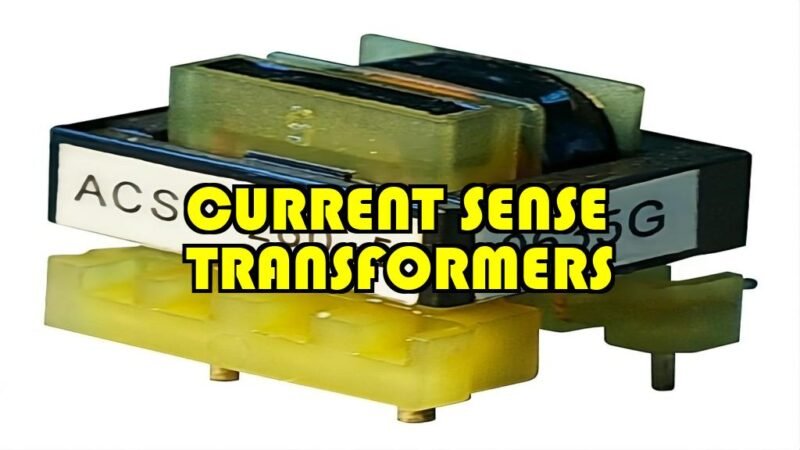
Current sense transformers in the world of electronics play a big role in various applications. From power management to electronic devices, understanding the essential key points about these transformers is crucial for engineers and enthusiasts alike.
Understanding Current Sense Transformers
Definition and Basic Functionality
Current sense transformers, at their core, are devices designed to measure electrical current in a circuit. By utilizing electromagnetic principles, these transformers provide a non-intrusive means of monitoring the flow of current, ensuring precision without disrupting the circuit’s operation.
Applications in Various Electronic Devices
The versatility of current sense transformers is evident in their widespread applications. From power supplies to motor control systems, these transformers find their way into numerous electronic devices, enhancing their performance and reliability.
Key Components and Working Principle
Let’s break down the key components and working principles of a current sense transformer in simple terms.
Key Components:
-
Core Material:
- Imagine the core material as the heart of the current sense transformer. It’s typically made of materials like ferrite or powdered iron. This core plays a crucial role in efficiently transferring the electrical energy.
-
Primary and Secondary Windings:
- Think of windings as coils of wire. The primary winding is where the current you want to measure flows through, while the secondary winding is where the measured current induces a voltage.
-
Isolation Barrier:
- This is like a protective shield. It ensures that the current being measured in the primary winding doesn’t directly interfere with the measuring circuit. It keeps things safe and isolated.
Working Principle:
-
Current Flow:
- Imagine you have a wire carrying electrical current. The primary winding of the current sense transformer is like a lasso around this wire. The current passing through the wire also passes through the primary winding.
-
Magnetic Field:
- When the current flows through the primary winding, it creates a magnetic field around the wire. This magnetic field transfers the energy to the core of the transformer.
-
Induced Voltage:
- The core, being magnetic, induces a voltage in the secondary winding. It’s like a magic trick where the energy from the primary winding is transformed into a voltage in the secondary winding.
-
Measuring Voltage:
- Now, this induced voltage in the secondary winding is proportional to the current in the primary winding. By measuring the voltage in the secondary winding, you can figure out the amount of current flowing through the primary circuit.
-
Isolation:
- The isolation barrier ensures that the measuring circuit connected to the secondary winding is safe from the high voltage in the primary circuit. It’s like having a protective barrier between you and a potentially dangerous situation.
Types of Current Sense Transformers
Let’s explore the types of current sense transformers in a way that’s easy to understand.
-
Open-Loop Current Sense Transformers:
- Imagine you’re observing a road from a distance without actually being on it. Open-loop current sense transformers work similarly. They provide a measurement without physically connecting to the current-carrying conductor. It’s like having a remote sensor that senses the traffic on the road without being on the road itself.
-
Closed-Loop Current Sense Transformers:
- Now, think of being on the road with a sensor directly attached to your vehicle. Closed-loop current sense transformers have a direct connection to the current-carrying conductor. It’s like being on the road and having a device right on your vehicle to measure and manage the traffic.
-
Toroidal Current Sense Transformers:
- Picture a donut-shaped magnet. Toroidal current sense transformers have a core that looks like a donut. The wire carrying current passes through the center of the donut hole. This design is efficient and helps in precise current measurements. It’s like putting a donut around a wire to measure the energy flowing through it.
-
Bobbin-Wound Current Sense Transformers:
- Imagine winding thread around a spool. Bobbin-wound current sense transformers have a similar setup. The wire carrying current is wound around a bobbin, creating the necessary coils for measurement. It’s like wrapping a thread around a spool to create a coil that helps in measuring the electrical flow.
-
Rogowski Coil:
- Think of a coiled-up hose. The Rogowski coil is like a flexible coil that can wrap around a conductor. It doesn’t have a solid core, making it easy to install in tight spaces. It’s like having a flexible hose that wraps around a wire, helping you measure the current flowing through it.
-
Hall Effect-Based Current Sense Transformers:
- Imagine a sensor that reacts to a magnetic field. Hall effect-based current sense transformers use the Hall effect to measure current. When current flows through a conductor, it creates a magnetic field, and the Hall effect sensor detects this magnetic field to determine the current. It’s like having a special detector that senses the magnetic effects of current flow.
Selecting the Right Current Sense Transformer
Choosing the right current sense transformer requires a keen understanding of the factors influencing the decision-making process. Let’s break it down in a way that’s easy to understand.
-
Current Range:
- Imagine the flow of electricity as water in a river. The current range is like determining how much water is flowing. You need a current sense transformer that can handle the specific amount of electrical current in your circuit. It’s like choosing the right-sized pipe for the amount of water in the river.
-
Accuracy Requirements:
- Think of measuring ingredients for a recipe. Depending on how precise you need to be, you might use a measuring cup or a scale. Similarly, consider how accurate your current measurements need to be. Some applications require high precision, while others may allow for a bit more flexibility.
-
Frequency Range:
- Imagine music with different notes and pitches. Electrical currents also have different frequencies. Ensure that the current sense transformer you choose is suitable for the frequency of the electrical signals in your circuit. It’s like making sure your speakers can handle both high and low notes in a song.
-
Isolation Needs:
- Picture having a barrier between you and a potentially hot surface. Isolation in current sense transformers is like that barrier, keeping the measuring circuit safe from the higher voltage in the main circuit. Consider whether you need this protective isolation to ensure safety and prevent interference.
-
Temperature Range:
- Think about clothing suitable for different seasons. Just like you wouldn’t wear a heavy coat in the summer, make sure the current sense transformer can handle the temperature conditions in your application. This ensures that it operates reliably in various environmental conditions.
-
Space Constraints:
- Imagine fitting furniture in a small room. If you have limited space, you’d choose compact and efficient pieces. Similarly, consider the size and form factor of the current sense transformer. Choose one that fits well into your available space while still meeting the technical requirements.
-
Output Type:
- Think about how you prefer information to be presented. Current sense transformers can provide output in different forms, such as voltage or current signals. Choose the output type that is most compatible with your measurement or control system. It’s like deciding whether you prefer information in numbers or charts.
Installation and Integration Tips
When it comes to installing and integrating a current sense transformer into your electrical system, it’s essential to follow some practical tips. Let’s break it down in a way that’s easy to understand.
-
Proper Positioning:
- Imagine placing a microphone to capture the best sound. Similarly, position the current sense transformer close to the conductor carrying the current. This ensures accurate measurements and minimizes potential interference.
-
Secure Mounting:
- Think of securing a painting on a wall. Make sure to securely mount the current sense transformer to prevent vibrations or movement that could affect its performance. A stable installation ensures consistent and reliable measurements.
-
Avoiding Magnetic Interference:
- Picture a compass being affected by nearby magnets. Keep the current sense transformer away from strong magnetic fields to avoid interference. This is important for accurate readings, as magnetic fields can distort the measurements.
-
Correct Polarity:
- Imagine inserting batteries with the right polarity. Ensure that the current flows through the primary winding of the transformer in the correct direction. Connecting it properly is crucial for obtaining accurate readings.
-
Isolation Considerations:
- Think of using safety gear when working with potentially hazardous materials. If isolation is a factor in your application, make sure to follow proper safety guidelines. This is crucial to protect both the measurement circuit and the surrounding components.
-
Temperature Management:
- Picture using a fan or air conditioner to control room temperature. Ensure that the current sense transformer operates within its specified temperature range. This helps maintain its accuracy and longevity.
-
Integration with Measurement System:
- Think of connecting your phone to a speaker for better sound. Integrate the current sense transformer seamlessly with your measurement or control system. Follow the specifications provided by the manufacturer for optimal performance.
-
Shielding Against External Noise:
- Imagine using noise-canceling headphones to block out external sounds. Shield the current sense transformer and its wiring against external electrical noise. This helps maintain the integrity of the measured signal.
-
Documentation Review:
- Picture following assembly instructions for a piece of furniture. Before installation, carefully review the documentation provided by the transformer manufacturer. This ensures you’re aware of any specific requirements or recommendations for your particular device.
-
Testing and Calibration:
- Think of tuning a musical instrument for the best sound. Test and calibrate the current sense transformer after installation to ensure accurate measurements. This step is crucial for the reliability of your monitoring or control system.
Benefits in Power Management
Let’s explore the benefits of using current sense transformers in power management in a way that’s easy to understand.
-
Efficient Energy Monitoring:
- Think of a fuel gauge in a car that helps you monitor your gas consumption. Current sense transformers allow you to keep a close eye on how much electrical current is flowing in your system. This helps in understanding and optimizing energy usage for better efficiency.
-
Accurate Load Monitoring:
- Imagine balancing weights on a scale to get an accurate reading. Current sense transformers provide precise measurements of the current flowing through a circuit. This information is crucial for monitoring and managing loads in real-time, preventing overloads and ensuring system reliability.
-
Fault Detection and Prevention:
- Picture a smoke detector alerting you to potential issues before a fire starts. Current sense transformers can detect abnormal current patterns that may indicate faults or malfunctions in the system. This early detection helps prevent damage and improves overall safety.
-
Optimized Power Distribution:
- Think of traffic lights adjusting to optimize traffic flow. Current sense transformers assist in understanding the power distribution within a system. By monitoring individual circuits or components, you can optimize the distribution of power, ensuring that each part receives the right amount for efficient operation.
-
Energy Savings:
- Imagine turning off lights in rooms that are not in use to save electricity. Current sense transformers help identify areas of energy inefficiency. By pinpointing where energy is being used unnecessarily or excessively, you can implement strategies to save power and reduce overall energy costs.
-
Equipment Longevity:
- Picture regular maintenance to extend the life of your car. By monitoring current levels, you can identify situations where equipment might be operating under stress. This proactive approach helps prevent premature wear and tear, ensuring the longevity of electrical components.
-
Enhanced System Reliability:
- Think of a backup generator kicking in during a power outage. By continuously monitoring current levels, potential issues can be addressed before they escalate. This proactive approach enhances the reliability of the power system, reducing downtime and improving overall performance.
-
Compliance with Regulations:
- Imagine following traffic rules to ensure safety on the road. Current sense transformers help in adhering to energy regulations and standards. By monitoring and controlling current flow, you can ensure that your power management system complies with industry requirements and environmental standards.
-
Smart Grid Integration:
- Picture a smart thermostat adjusting the temperature based on your preferences. Current sense transformers play a role in the development of smart grids. They enable the integration of intelligent power management systems that can adapt to changing energy demands and promote sustainability.
Industry Applications of Current sense transformers
Let’s explore the practical applications of current sense transformers in various industries in a way that’s easy to understand.
-
Power Electronics:
- In power electronics, current sense transformers are like watchdogs, monitoring the flow of electricity in devices such as inverters and converters. They help ensure the efficient conversion of power, making electronics run smoothly while providing accurate feedback for control systems.
-
Renewable Energy Systems:
- Imagine a solar panel adjusting to capture the most sunlight. Current sense transformers play a vital role in renewable energy systems, helping to monitor and control the flow of electricity from sources like solar panels or wind turbines. This ensures optimal energy harvesting and distribution.
-
Electric Vehicles (EVs):
- In the world of electric vehicles, current sense transformers act as guardians for the battery and charging systems. They help manage the charging process, prevent overloading, and contribute to the overall safety and efficiency of electric vehicles.
-
Industrial Automation:
- Picture a robotic arm adjusting its movements based on the task at hand. Current sense transformers are like the senses of automation systems, providing feedback on the electrical current used by motors and machines. This information is crucial for precise control and efficient operation in industrial settings.
-
Telecommunications:
- In the telecommunications industry, current sense transformers act as traffic directors for electrical signals. They help monitor and manage the current flowing through communication lines, ensuring stable and reliable transmission of data in various network equipment.
-
Medical Devices:
- Think of a heartbeat monitor keeping track of your heart’s rhythm. Current sense transformers assist in monitoring and controlling the electrical current in medical devices. This is crucial for the accurate and safe operation of equipment such as MRI machines, defibrillators, and other medical instruments.
-
Power Supplies:
- Picture a stable flow of water from a faucet. Current sense transformers play a similar role in power supplies, helping maintain a steady and controlled flow of electricity. They contribute to the reliability and efficiency of power sources used in various electronic devices.
-
Automotive Systems:
- In vehicles, current sense transformers serve as guardians for the electrical systems. They monitor the current flowing through components like the alternator, starter motor, and battery, contributing to the overall performance and reliability of automotive systems.
-
Home Appliances:
- Imagine a smart thermostat adjusting the temperature based on your preferences. Current sense transformers are like the brains behind energy-efficient home appliances. They contribute to the control and optimization of power consumption in devices like air conditioners, refrigerators, and washing machines.
-
Aerospace and Defense:
- In aerospace and defense applications, current sense transformers are like vigilant guards, monitoring and ensuring the reliability of electrical systems in aircraft, satellites, and defense equipment. They contribute to the overall safety and functionality of critical systems.
ALSO READ: Heater Control Circuit: Complete Overview And Reliable Guide For Engineers in 2024
Challenges in Using Current Sense Transformers
Let’s explore some of the challenges that can be encountered when using current sense transformers in a way that’s easy to understand.
-
Accuracy and Calibration:
- Imagine trying to measure ingredients without a precise measuring cup. Achieving accurate current measurements with transformers requires careful calibration. Challenges may arise if the transformer is not calibrated correctly, leading to inaccurate readings and potential errors in the system.
-
Temperature Effects:
- Think of a chocolate bar melting in the sun. Current sense transformers can be sensitive to temperature changes. Extreme temperatures can affect their performance, leading to variations in measurements. It’s important to consider and manage temperature effects for reliable operation.
-
Frequency Limitations:
- Picture a radio that can only tune into certain stations. Current sense transformers have frequency limitations, meaning they may not work effectively outside a specified frequency range. Choosing a transformer with the right frequency response is crucial for accurate current measurements.
-
Size and Space Constraints:
- Imagine trying to fit a large suitcase into a small car trunk. In some applications, especially those with limited space, finding a current sense transformer that fits can be challenging. The size and form factor of the transformer need to align with the available space in the system.
-
Magnetic Interference:
- Think of a compass being affected by nearby magnets. Current sense transformers can be susceptible to magnetic interference from nearby components or external sources. This interference may distort the measurements and pose challenges in obtaining accurate readings.
-
Isolation Concerns:
- Picture a barrier separating two rooms. While isolation is often a benefit, in some cases, the need for complete electrical isolation can pose challenges. It may limit the speed of data transmission or introduce complexities in the design of the system.
-
Cost Considerations:
- Imagine shopping for a new gadget on a budget. High-quality current sense transformers can be relatively expensive. Balancing the cost of the transformer with the budget constraints of the project can be a challenge, especially in applications where multiple transformers are needed.
-
Installation Complexity:
- Think of assembling a complex piece of furniture with many parts. Installing and integrating current sense transformers may be challenging, especially in intricate systems. Ensuring proper positioning, connections, and shielding requires attention to detail during installation.
-
Vibration and Mechanical Stress:
- Picture a bridge with heavy traffic causing vibrations. In environments with mechanical stress or vibrations, current sense transformers may experience wear and tear over time. Protecting them from such stresses is important to maintain their performance and longevity.
-
Understanding Application Requirements:
- Imagine assembling a piece of furniture without understanding the instructions. Challenges can arise if the specific requirements of the application are not well understood. Choosing a transformer that may not align with the unique needs of the system can lead to complications.
Comparisons with Other Current Measurement Techniques
Contrasting current sense transformers with alternative methods provides a comprehensive view of the strengths and weaknesses of different approaches to current measurement.
Here’s a simplified comparison table between current sense transformers and some other common current measurement techniques:
| Aspect | Current Sense Transformers | Shunt Resistors | Hall Effect Sensors | Rogowski Coils |
| Measurement Principle | Magnetic induction | Voltage drop across resistor | Hall effect | Magnetic field induction |
| Contact with Conductor | Non-contact | Requires direct connection | Non-contact | Non-contact |
| Isolation | Can provide electrical isolation | No isolation | May provide isolation | No isolation |
| Size and Form Factor | Various sizes and shapes | Small resistor | Compact, various shapes | Flexible and coil-shaped |
| Frequency Response | Wide range | Typically limited | Wide range | Suitable for high frequencies |
| Accuracy | High | High | Moderate to High | High |
| Temperature Sensitivity | Moderate to high | Low | Moderate to high | Low to moderate |
| Cost | Moderate to high | Low to moderate | Moderate to high | Moderate to high |
| Ease of Installation | May require careful positioning | Relatively straightforward | Relatively straightforward | Flexible and adaptable |
| Applications | Various industries and applications | Power electronics, automotive | Industrial automation, automotive | Power electronics, energy systems |
Please note that the information in the table is general and can vary depending on specific models and applications. The choice between these techniques depends on factors such as the application requirements, accuracy needs, budget constraints, and environmental conditions.
ALSO READ: Braking Resistors: Complete Overview And Reliable Guide For Engineers in 2024
Maintenance and Troubleshooting
Let’s discuss some practical maintenance and troubleshooting tips for using current sense transformers in a way that’s easy to understand.
Maintenance Tips:
-
Regular Inspections:
- Think of it like checking your car’s oil regularly. Periodically inspect the current sense transformer for any signs of wear, loose connections, or damage. Catching issues early can prevent more significant problems.
-
Secure Mounting:
- Imagine securing a picture frame on the wall. Ensure that the transformer is securely mounted to prevent vibrations or movement. A stable installation contributes to accurate measurements and long-term reliability.
-
Temperature Management:
- Picture using an air conditioner to maintain a comfortable room temperature. Ensure that the operating temperature of the current sense transformer stays within the specified range. This helps maintain its accuracy and performance.
-
Cleanliness:
- Think of cleaning dust off your computer components. Keep the transformer and its surroundings clean to prevent the accumulation of dust or debris, which can affect its performance over time.
-
Documentation Review:
- Imagine following the user manual for your electronic gadgets. Review the manufacturer’s documentation for the current sense transformer. It often contains valuable information about maintenance procedures and recommended practices.
Troubleshooting Tips:
-
Inaccurate Readings:
- If you notice inconsistent or inaccurate readings, check for loose connections or damaged wiring. Ensure that the transformer is correctly calibrated, and review its documentation for any troubleshooting guidance.
-
Temperature Issues:
- If the transformer is experiencing temperature-related problems, consider improving ventilation in the area or using additional cooling measures. Ensure that the operating environment aligns with the transformer’s specifications.
-
Isolation Concerns:
- If there are concerns about electrical isolation, inspect the isolation barrier for any signs of damage. Ensure that the isolation requirements of your system are met and that there are no unintended connections between circuits.
-
Magnetic Interference:
- If you observe unexpected variations in readings, check for nearby magnetic sources or other components that might be causing interference. Adjust the positioning of the transformer or add shielding if needed.
-
Wiring Issues:
- If there are issues with the electrical connections, inspect the wiring for any signs of wear, fraying, or loose connections. Properly secure and insulate the wiring to ensure reliable electrical connections.
-
Frequency Compatibility:
- If the transformer is not providing accurate measurements, confirm that its frequency range is suitable for the application. Some transformers may have limitations on the frequency of the current they can accurately measure.
-
External Factors:
- Consider external factors that might impact performance, such as changes in the surrounding environment or the addition of new equipment. Address any changes or disruptions that could affect the transformer’s operation.
ALSO READ: Neutral Grounding Resistor: 5 Things You Need To Know!
Conclusion
In conclusion, current sense transformers are more than mere components; they are enablers of efficiency and precision in electronic applications. This comprehensive guide has shed light on the essential key points, emphasizing their importance in the ever-evolving landscape of electronics.
RELATED VIDEOS:
VIDEO 1:
FAQs
Are current sense transformers suitable for all types of electronic circuits?
Each type of current sense transformer is designed for specific applications. Choosing the right one depends on the circuit’s requirements.
How do current sense transformers contribute to energy efficiency?
Current sense transformers help monitor and control the flow of current, optimizing power usage and contributing to overall energy efficiency.
What challenges might engineers face when integrating current sense transformers?
Common challenges include electromagnetic interference and selecting the wrong type of transformer for a particular application.
Can current sense transformers be used in renewable energy systems?
Yes, current sense transformers play a crucial role in monitoring and controlling current in renewable energy systems, contributing to their efficiency.
How often should current sense transformers undergo maintenance?
Regular maintenance is recommended to ensure optimal performance. The frequency depends on the specific application and environmental conditions.